By Emilia Wellesley · Published May 4, 2026 · Updated May 13, 2026
Last reviewed: May 4, 2026.
Delve into the mysterious Cuzco Skull, an artifact that sparks debates among archaeologists, anthropologists, and enthusiasts of ancient civilizations. This exploration decodes the cultural, scientific, and speculative aspects related to this Peruvian archaeological find.
The Cuzco Skull: An Overview
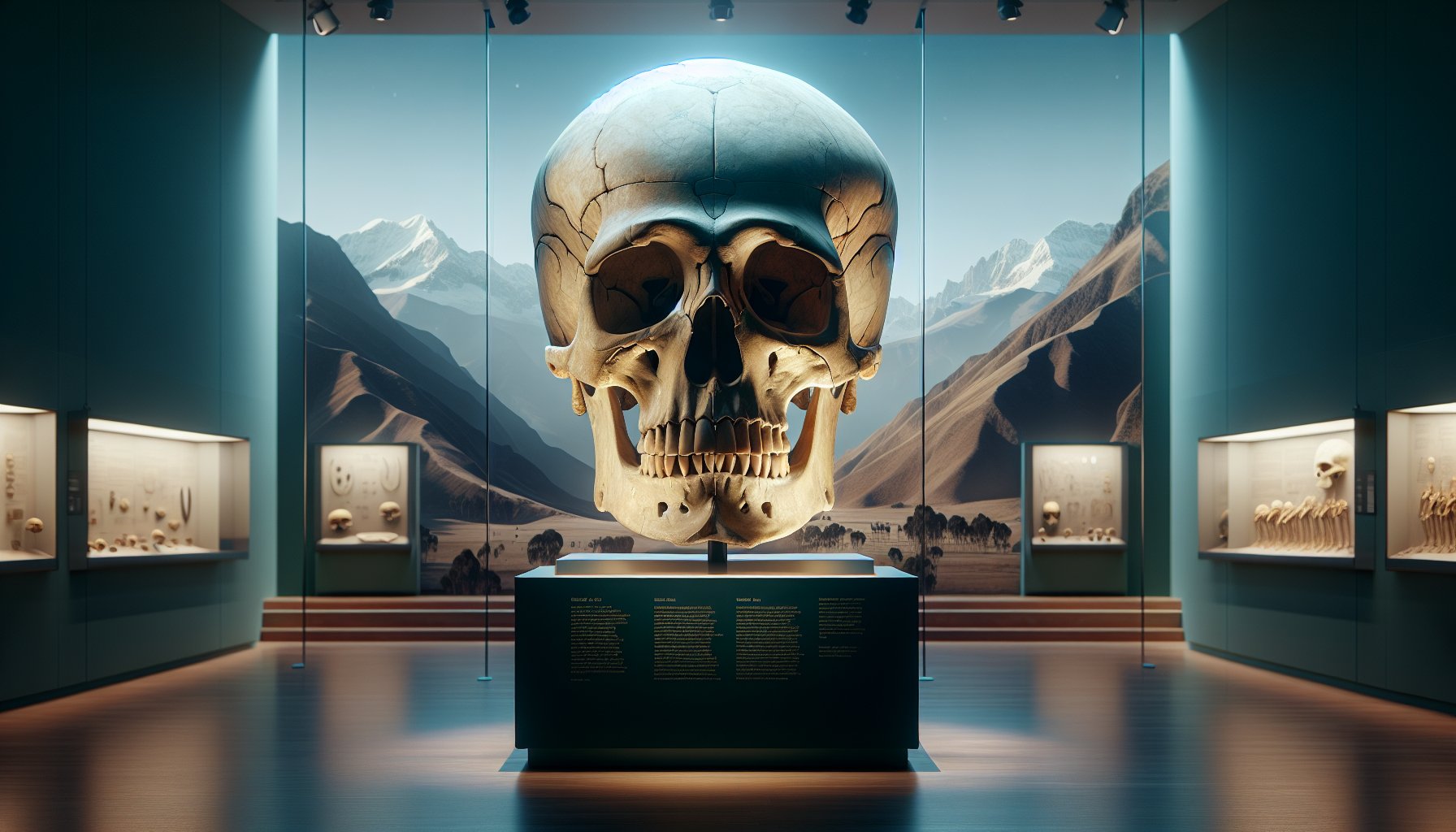
The Cuzco Skull, discovered in the ancient city of Cuzco, Peru, remains a subject of intense scrutiny and fascination for both the academic community and the public. Its elongated shape, far from ordinary human skeletal norms, suggests a history intertwined with ancient cultural practices, specifically cranial deformation — a ritual ingrained in several ancient societies across the globe. The skull's unusual features prompt a blend of scientific interest and speculative theories, ranging from connections to ancient astronaut theories to traditional ancestral veneration practices.
Artifact Context and Characteristics
Characterized by an anomalous elongation and unusual cranial volume, the Cuzco Skull stands as a testament to the advanced ceremonial life of the Andean cultures. This artifact is thought to belong to the pre-Columbian era, a period rich with diverse cultural rites and sophisticated social structures. The skull's shape is not a product of natural genetic mutations but rather a deliberate modification through the practice of cranial deformation. This practice involved binding the head of a young child with rigid cloths to elongate the skull's shape deliberately—believed to signify social status or beauty within those ancient communities.
Forensic reconstruction and comparative anatomy studies suggest that the elongation process was likely started immediately after birth and continued as the child grew. Techniques varied from region to region, but the underlying cultural and possibly spiritual motivations were markedly pervasive.
Discovery and Current Location
The Cuzco Skull was unearthed during an excavation near the heart of the old Inca capital, Cuzco, by a team led by Peruvian archaeologists. The discovery was notable not only because of the skull’s distinctive features but also due to its well-preserved state, which allowed for detailed scientific study. Currently, the skull resides in the Museum of Regional History of Ica, providing scholars and visitors an invaluable glimpse into the life and death rites of ancient Andean civilizations.
The skull's current preservation status is a testament to the advanced techniques used by the museum's specialists, incorporating both traditional conservation methods and modern technology to maintain and display the artifact. The museum plays a crucial role in educating the public and the academic community, providing a bridge between the ancient past and modern inquiry through scheduled exhibitions and educational programs.
This exceptional artifact continues to be a pivotal piece in the puzzle of understanding the complex societal structures of ancient Peru, offering insightful revelations into the cultural identities that shaped the region's history. Through ongoing studies and public exhibitions, the Cuzco Skull not only underscores the sophistication of pre-Columbian civilizations but also challenges and enriches our contemporary understanding of human history.
Cultural Practices of Cranial Deformation
Global Phenomenon of Skull Modification
Across the world, from the flat plains of Eurasia to the myriad islands of Oceania, societies have practiced cranial deformation—a testament to the vast reach of this intriguing custom. Far from being a quirk isolated to any one culture, this phenomenon bears witness to a human characteristic that transcends geographic and ethnic boundaries. Such practices have been depicted in the art and preserved in the burials of ancient civilizations, building bridges across time that allow modern scholars to glimpse into past social structures and belief systems.
Specific Techniques in Ancient Peru
Nowhere is the artistic and technical mastery of cranial deformation more evident than in the ancient regions of Peru, particularly among the results seen in iconic relics such as the Cuzco Skull. Techniques varied, with some regions favoring frontal-occipital flattening while others preferred circular or annular forms. Interweaving cultural refinement with painstaking patience, caretakers began the process of shaping the skulls of the young—often infants—using devices made from wood, cloth, and leather. These materials were tightly bound around the head, gradually altering its shape over time.
Among the Andean cultures, particularly during the reign of the Inca Empire, the elongation of skulls wasn't merely a standard of beauty; it was steeped in the deeper waters of social hierarchy and spirituality. The altering of cranial form was intertwined with the very fabric of Andean cosmology, reflecting a corporeal connection to divine figures. Moreover, the differentiation in skull shapes among the populace marked social stratification—a visible symbol that delineated the nobility from the commoners.
Anthropologists and archaeologists have gleaned much from studying these practices, appreciating them not as mere bodily alterations but as sophisticated expressions of identity and belief. The challenge has been to ensure that these interpretations are not clouded by the specter of pseudoscience, such as alien theories, which detract from the rich human history inherent in these artifacts.
In examining the Cuzco Skull—found nestled in the archaeological layers of Cuzco, Peru—researchers have confronted both the physical and cultural narratives woven by these ancient peoples. Through careful osteological analysis and comparison with other artifacts from the broader Andean region, a clearer image of this practice has emerged. These skulls, including the renowned Paracas skulls, demonstrate a continuity of custom that spans both time and topography, firmly rooting the practice of cranial deformation within the realm of human ingenuity rather than extraterrestrial intervention.
In integrating such comparative anatomy and ethnographic studies, the field of bioarchaeology has been pivotal. By leveraging modern technology, including DNA analysis techniques and radiocarbon dating, scholars have begun piecing together a more comprehensive understanding of the sociocultural dynamics at play. This fusion of science and history not only illuminates the past but also enriches present and future generations' comprehension of a shared human heritage that continuously shapes our global cultural mosaic.
Scientific Analysis of the Skull
Skeletal Examination
The Cuzco Skull has been a subject of intense scrutiny and myriad studies aiming to decode its physical and historical significance. Experts in osteology and paleopathology have taken particular interest, examining the skull's structure for clues about age, health, and the biomechanical effects of its elongated shape. Such examinations are pivotal, as they reveal nuanced details about the individual's life and the broader health implications of cranial deformation. Scans and imaging technology have allowed researchers to look inside the cranial cavity, exploring any evidence of trepanation or other surgical interventions that might suggest medical or ritualistic practices. Moreover, comparative anatomy studies help to discern whether the skull's features align more closely with genetic traits or deliberate alteration.
DNA Analysis and Genetic Anomalies
One of the most enlightening aspects of the scientific examination of the Cuzco Skull has been the rigorous DNA analysis conducted to clarify its origins and lineage. This genetic scrutiny is essential to addressing the wilder speculations about alien contributions to its formation. Advanced DNA testing has revealed a wealth of information about the genetic anomalies present, which are consistent with known practices of artificial cranial modification among indigenous tribes. These findings robustly counter claims of extraterrestrial influence, reinforcing the skull's terrestrial origins and its cultural context within ancient Peru.
Through meticulous DNA sequencing, researchers have been able to trace markers that suggest a strong affiliation with Andean civilizations, notably those pre-dating the Inca Empire. This genetic linkage supports historical interpretations of the skull as belonging to a lineage deeply embedded in the region's pre-Columbian history. Furthermore, these analyses help determine the skull's age, placing it squarely within the timeline of known cranial deformation practices, thus offering more pieces to the puzzle of its cultural and historical framework.
The data derived from these genetic and skeletal examinations not only demystifies much of the speculation surrounding the Cuzco Skull but also enriches our understanding of the social and health-related aspects of cranial modification practices. The scientific community continues to explore the ramifications of these findings, contributing significantly to both historical anthropology and the broader fields of genetics and human biology.
Cultural Significance in Andean Civilizations
Delving into the cultural significance of the Cuzco Skull within the broader spectrum of Andean civilizations offers a fascinating glimpse into ancient practices that combined aesthetics, spirituality, and social stratification.
Symbolism and Status
Cranial deformation, as evidenced in the Cuzco Skull, wasn't merely a fashion or mere aesthetic choice but a marker of socio-cultural identity, deeply woven into the fabric of Andean societies. Analysis reveals that such modifications in skull shape were often indicative of a person's status within their community. High-ranking individuals or nobility may have undergone this painstaking process to visually differentiate themselves from the common populace. This practice, rooted deeply in the cultural bedrock of societies like the Inca, signifies more than vanity—it symbolizes power, leadership, and divine connection. In essence, an elongated skull was not just a physical trait but a symbol laden with implications of intelligence, spiritual favor, and societal hierarchy.
Religious and Ritualistic Aspects
Turning to the religious and ritualistic interpretations, the Cuzco Skull opens up discussions on its potential ceremonial importance. It's conceivable that such skulls were integral to spiritual or ritual activities, serving as a tangible connection to the divine or the ancestors. Ethnographic studies and comparative analyses with similar artifacts suggest that cranial deformation may have been part of complex ceremonial life, imbued with deep spiritual meaning. These rituals, possibly involving offerings or orations, underscored the skull's role not merely as a physical alteration but as a spiritual beacon. Such practices illuminate the intertwined nature of belief systems and physical embodiment in ancient Andean cultures, offering a window into how they navigated the realms of the visible and invisible.
Through the lenses of cultural anthropology and bioarchaeology, it becomes evident that the skull was more than a remnant; it was a narrative piece in the complex societal tapestry of its time. By considering both the symbolic and the practical implications of cranial deformation, researchers can glean insights into the governance, religious life, and social structures of Andean civilizations.
As ongoing studies continue to demystify the exact origins and practices related to the Cuzco Skull, it remains a pivotal element in understanding the intricate weave of ancient Andean life, holding both the mysteries of the past and the keys to ancestral wisdom and practices. The legacy of these ancient modifications continues to challenge and enrich our contemporary understanding of cultural identity, spirituality, and social organization within pre-Columbian societies.
Archaeological and Ethnographic Context
Association with Pre-Columbian Civilizations
The enigmatic Cuzco Skull, though a singular find, serves as an integral piece in the intricate puzzle of pre-Columbian Andean civilizations. Insights from archaeologists and anthropologists situate this artifact amidst the vestiges of cultures such as the Inca Empire and their predecessors like the Nazca and Paracas, known for their skull elongation practices. These ancient societies viewed cranial deformation not merely as a ritualistic or aesthetic choice but imbued these practices with deep societal significance, often associated with status demarcation and spiritual beliefs.
Given its discovery in Cuzco, a city that was historically the heart of the Inca civilization, the skull prompts discussion on the continuity and diversity of cultural practices in ancient Peru. Radiocarbon dating and comparative anatomical studies link the skull to the timeline just before the rise of the Incan dominance, suggesting it may have belonged to an individual from a culture predating, or contemporaneous with, early Incas.
Cultural Identity and Continuity
The Cuzco Skull, along with artifacts like the Paracas Skulls, contributes significantly to our understanding of the cultural identity of Andean civilizations. The practice of cranial deformation, as evidenced by these relics, was deeply embedded in the social fabric of these communities. This archaeological find not only heightens our understanding of the physical appearances that were prized but also enhances our insights into the societal structures that these appearances signify.
Ethnographic studies, supported by bioarchaeological analyses, suggest that elongated skulls may have symbolized a form of ancestral continuity, possibly linking living individuals with deified ancestors. This notion of enduring identity, perpetuated through physical modifications, underscores the cultural depth these practices harbored. Additionally, by examining such artifacts in the broader tapestry of South American archaeology, researchers can piece together narratives of migration, interaction, and evolution of ritual practices among various Andean cultures.
These dual narratives of association with ancient civilizations and the elucidation of cultural identities provide a robust framework for understanding the Cuzco Skull beyond its initial archaeological intrigue. By integrating DNA analysis techniques and cultural anthropology, scholars continue to peel back the layers of history retained in such artifacts, revealing the nuanced stories of human societies that shaped, and were shaped by, their environments and beliefs. Through this meticulous unraveling, every finding adds a stroke to the rich mosaic of human history that continues to fascinate and educate the world.
Controversies and Pseudoscientific Theories
The Cuzco Skull, with its elongated form and enigmatic past, naturally kindles a blend of scholarly intrigue and, unfortunately, pseudoscientific speculation. Amidst the rigorous examinations by archaeologists and anthropologists, a fringe section posits unusual theories, including extraterrestrial influences—a claim that captivates public imagination but stands on precarious scientific ground.
Alien Theories and Public Fascination
One cannot overlook the sensationalism that often accompanies the Cuzco Skull in popular media. The skull’s peculiar shape has led some to speculate about ancient alien visitors—an idea popularized by certain pseudoscience proponents. These alien theories, while lacking empirical support, have generated substantial public interest and debate. It's fascinating, albeit a bit disconcerting, how these narratives can overshadow factual archaeological research.
Challenges in Public Perception
The allure of such exciting yet unfounded theories poses significant challenges to scientific communities. It complicates educating the public on the actual anthropological and historical significances of artifacts like the Cuzco Skull. Engaging with the public to recalibrate their perceptions often involves extensive debunking, requiring experts to walk a fine line between dispelling myths and maintaining an engaging narrative about the past.
Debunking Myths with Forensic Reconstruction
Forensic anthropology has played a crucial role in demystifying the origins of the Cuzco Skull. Through modern forensic reconstruction and DNA analysis, scientists have been able to provide evidence suggesting that the skull's features are consistent with known practices of artificial cranial deformation—common among various Andean cultures. These analytical techniques reveal that the elongation was likely achieved through cultural practices such as head binding, debunking the alien origin theories.
Educational Outreach and Correcting Misconceptions
In light of these challenges, there is an increasing push for educational outreach. Museums, academic institutions, and cultural preservation organizations are ramping up their efforts to provide accurate, science-based information. By integrating interactive exhibits, detailed reconstructions, and accessible scholarly content, these entities aim to enlighten the public not just about the Cuzco Skull but also about the rich tapestry of human history and cultural diversity.
Interactive Debates and Academic Conferences
It's also crucial for academic settings to host debates and conferences that address both the scientific findings and the pseudoscientific rumors surrounding such artifacts. These forums serve as pivotal platforms for clarifying scientific truths and exploring the cultural contexts of archaeological findings in depth. They also provide a stage for experts to showcase the rigorous methodologies involved in studying ancient artifacts, further dispelling myths with solid evidence.
Navigating Through Controversy
Navigating the murky waters of sensational claims and scientific research requires a nuanced approach. By fostering a dialogue that respects both the curiosity and skepticism of the public, while rigorously defending the scientific method, the academic and scientific community continues to enhance public understanding of archaeological findings. The Cuzco Skull remains a testament not only to ancient human ingenuity but also to the ongoing quest for knowledge amid a sea of misinformation.
Conservation and Study
The significance of the Cuzco Skull not only lies in its mysterious origin and unusual features but also in how it is preserved and studied, ensuring its survival for future generations to deepen our understanding of ancient Andean civilizations.
Preservation Techniques
The preservation of archaeological artifacts like the Cuzco Skull requires meticulous care and advanced methods to prevent deterioration. Today, conservationists employ a variety of techniques such as controlled environments where temperature, humidity, and light levels are meticulously managed to protect the skull's delicate bone structure. Furthermore, digital archiving plays a crucial role; high-resolution 3D scanning and digital modeling allow researchers and the public alike to explore the skull's features without physical contact, thereby minimizing the risk of damage.
Ethical Considerations
Studying human remains such as the Cuzco Skull brings with it significant ethical considerations. The primary concern is respecting the cultural and spiritual significance these artifacts hold within indigenous communities. Archaeologists and anthropologists work closely with local authorities and cultural preservation organizations to ensure that their work respects the descendants' beliefs and practices. This collaboration often extends into how the findings are shared with the public, to avoid the commodification of sacred cultural heritage.
Balancing Scientific Inquiry and Cultural Sensitivity
The study of the Cuzco Skull has sparked discussions on balancing scientific inquiry with cultural sensitivity. Each step, from excavation to exhibition, is guided by ethical guidelines that respect the cultural significance of the findings while striving for archaeological accuracy. For instance, when DNA tests are conducted to ascertain the skull's origins or health, it's done with transparency and with the consent of local cultural representatives.
The Role of Technology in Preservation
Technology’s role in the conservation of the Cuzco Skull cannot be overstated. Advances in forensic reconstruction technologies not only help in preserving the physical artifact but also provide a window into the life of the individual. Techniques such as radiocarbon dating and genetic analysis offer insights into the diet, health, and even the potential causes of death of the individual, which are invaluable in building a comprehensive picture of past lives.
Future Directions
Looking forward, the ongoing study and preservation of the Cuzco Skull hinge on the integration of newer technologies and continuous collaboration with cultural scholars and local communities. Innovations in bioarchaeology and forensic anthropology promise to unveil further details about the skull, potentially offering new revelations about pre-Columbian civilizations.
Through careful preservation and ethical study, the Cuzco Skull remains not only a subject of scientific inquiry but also a beacon of cultural heritage, teaching us invaluable lessons about the interplay of science, ethics, and cultural respect in modern archaeology. Through these efforts, the Cuzco Skull continues to contribute to our understanding of human history, bridging past cultures with present-day scientific endeavors and ethical considerations.
Impact on Modern Science and Culture
Contributions to Bioarchaeology
The discovery of the Cuzco Skull has significantly augmented the field of bioarchaeology, providing a concrete example of ancient cranial deformation practices and their implications on understanding human anatomical variation over time. Through the lens of the skull’s elongated shape, attributed to culturally driven artificial cranial modification, bioarchaeologists have been able to draw comparisons across different regions and times, enhancing existing theories about the migration, interaction, and cultural exchange between ancient Andean civilizations and their contemporaries.
- Techniques Used: Cutting-edge techniques in skeletal analysis and genetic testing have been employed.
- Scientific Grounding: Dismissing earlier speculative connections, such as those to extraterrestrial origins, the research is grounded in robust scientific evidence.
- Advancements: These initiatives have propelled advancements in DNA analysis methodologies, invaluable in archaeological decipherments ranging from dietary habits to genetic diseases, thereby revealing more about the daily lives and physical well-being of ancient populations.
Educational and Cultural Outreach
Beyond the confines of academic circles, the Cuzco Skull has played a pivotal role in educational programs both within and outside Peru.
- Museum Exhibitions and Public Lectures: It features prominently, serving as a touchstone for discussing the interplay between culture, identity, and biology.
- Challenging Perceptions: These forums provide a stage to challenge the public's understanding of ancient cultures, moving beyond the mystical and sensational, to a more nuanced appreciation of the technological sophistication and aesthetic values of pre-Columbian civilizations.
Moreover, the narrative of the skull encapsulates a broader discussion about the preservation of cultural heritage and Indigenous archaeology. It stirs dialogue about the rights, rituals, and respect owed to ancestral remains, prompting considerations of ethical practices in archaeology. This adds layers of socio-cultural understanding that transcend the academic study of antiquated bones, enhancing cultural sensitivity and promoting a shared human history.
Key Insights
Through meticulous study and respectful interpretation, the Cuzco Skull offers a unique window into the ancient practices and lives of the cultures in Peru. Its examination not only challenges our understanding but also enriches our knowledge of human history.
- Scientific: Piecing together scientific narratives to reveal insights into ancient biological practices and life conditions.
- Cultural: Enhancing our appreciation for the technological and aesthetic accomplishments of ancient civilizations.
- Ethical: Promoting discussions on ethical practices in archaeology, affecting how we handle and respect cultural and ancestral legacies.
By integrating these narratives, researchers continue to honor the legacy of ancient civilizations that remain integral to our global heritage.