
Indus Valley: Trade and Communication
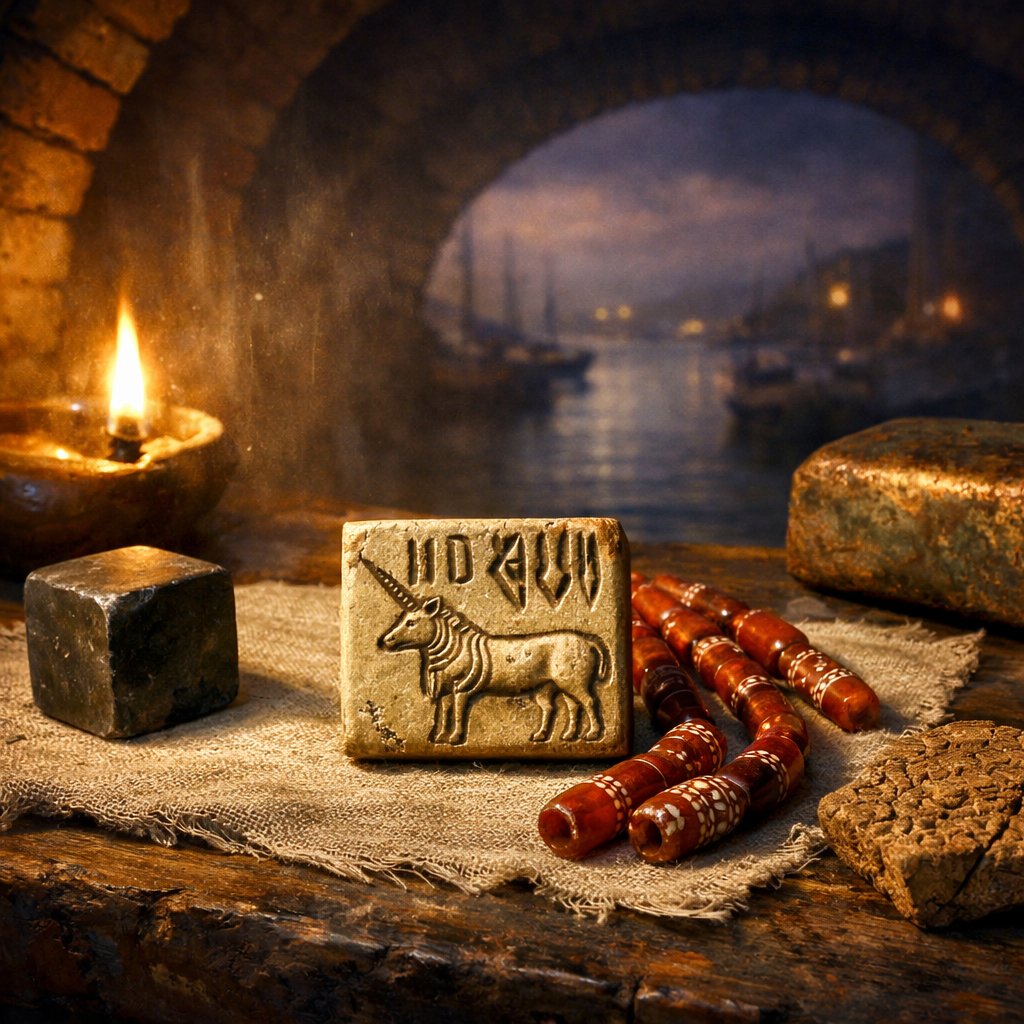
The Indus Valley left no decipherable archive of its own commerce. What it left, instead, is a material vocabulary so consistent that scholars have been able to reconstruct the routes, the freight, the partners, and even something of the regulatory grammar of one of the longest-running long-distance trade systems of the third millennium BCE. Etched-carnelian […]
The Glozel Tablets: A French Mystery
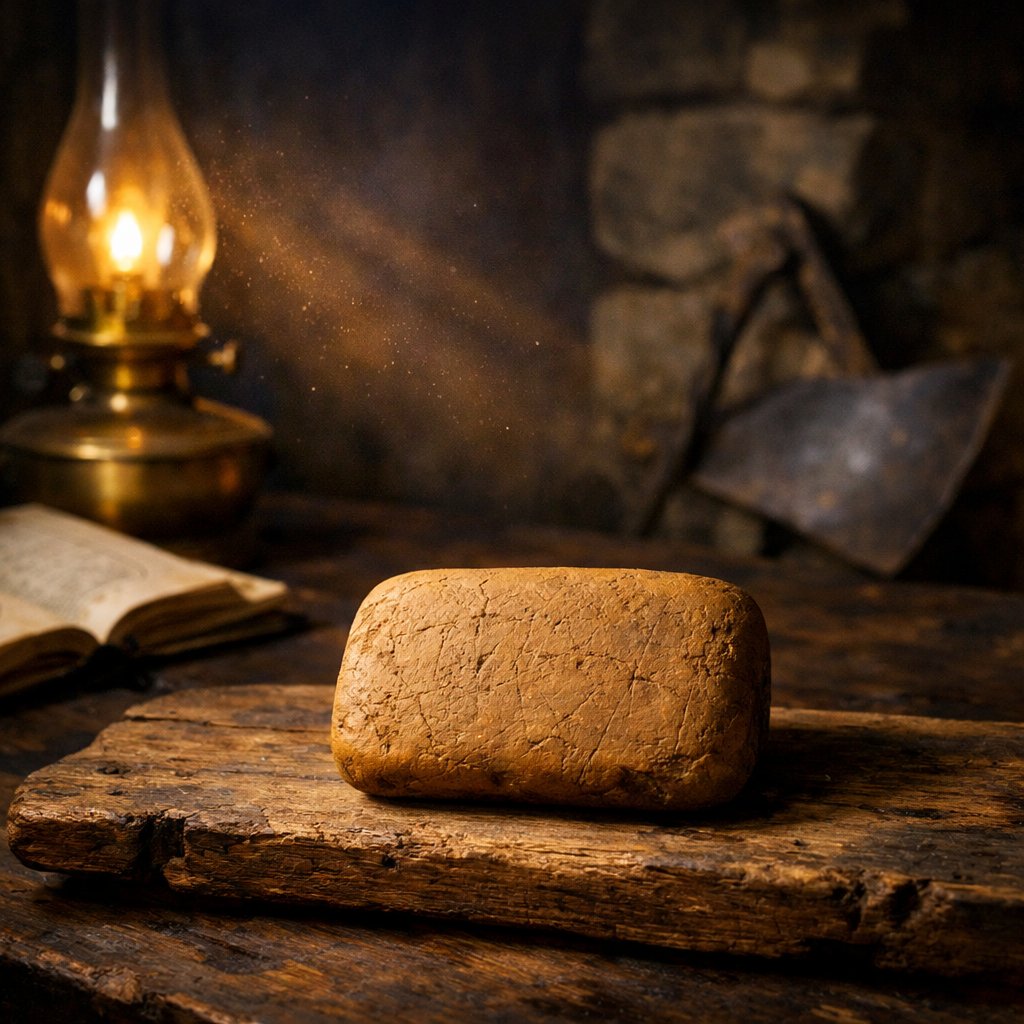
What Are the Glozel Tablets? The Glozel tablets are a body of inscribed clay objects, part of a larger assemblage of roughly three thousand artifacts, recovered between 1924 and 1930 from a single field outside the hamlet of Glozel, in the Auvergne region of central France. The tablets carry incised signs that resemble no securely […]
The Sitovo Inscription: A Bulgarian Enigma

What Is the Sitovo Inscription? The Sitovo Inscription is a sequence of roughly thirty-eight characters cut into a limestone wall inside a rock shelter near the village of Sitovo, in the Rhodope foothills south of Plovdiv, Bulgaria. It was identified in 1928 by the Plovdiv schoolteacher and amateur archaeologist Aleksandar Peev, and it has been […]
The Dispilio Tablet: Neolithic Writing in Greece

What Is the Dispilio Tablet? The Dispilio Tablet is a small wooden plaque inscribed with engraved symbols, recovered in 1993 from a waterlogged Neolithic pile-dwelling site on the southern shore of Lake Kastoria in northwestern Greece. Radiocarbon dating places its deposition at roughly 5260 BCE, which would make it some two thousand years older than […]
The Southwest Script: Pre-Columbian Mysteries

What People Mean by a “Southwest Script” The phrase “Southwest script” gathers together a set of very different claims about pre-Columbian writing in North America, and the first task of any honest treatment is to separate the categories. On one side sits a real and substantial body of Indigenous symbolic communication: the rock art of […]
The Zapotec Script: Understanding Mesoamerica’s Inscriptions

On a limestone slab set into the floor of a temple corridor at San José Mogote, a small village in the Etla arm of the Valley of Oaxaca, a sprawled human figure was carved sometime around 600 BCE. Between his legs, two glyphs sit close together: a numeral and a day-sign. Joyce Marcus (b. 1948), […]
The Proto-Elamite Script: Deciphering Iran’s Ancient Writing

What Is the Proto-Elamite Script? Proto-Elamite is the world’s oldest still-undeciphered writing system with a substantial corpus, used in southwestern Iran roughly between 3100 and 2900 BCE on small clay tablets that record the daily accounting of an early urban economy. Its inventory of more than a thousand distinct signs has resisted full reading for […]
The Cascajal Block: Oldest Writing in the New World?

What Is the Cascajal Block? The Cascajal Block is a small slab of greenish serpentinite, roughly the size of a hardcover book, incised on one face with sixty-two carved signs. It is dated to the late San Lorenzo phase of Olmec civilization, around 900 BCE, and was first published in 2006 as the earliest evidence […]
The Isthmian Script of Ancient Mesoamerica

In 1902, a farmer named Pedro Mimendi was breaking ground in a tobacco field in the Tuxtla foothills of Veracruz when his plow turned up a hand-sized lump of jadeite shaped like a shaman with a duck’s bill. Around the figure ran two columns of incised glyphs no scholar then living could read [1]. The […]
The Tartaria Tablets: Europe’s Oldest Writing?

What Are the Tartaria Tablets? The Tartaria tablets are three small clay objects pulled from a Neolithic ritual pit in western Romania in 1961. Two are pierced rectangles, one is a perforated disc, and all three carry incised pictographs that resemble early writing. Whether they are writing or symbolic decoration remains contested. The tablets are […]